
No Digging Required: The Secret to Underground Pipe Repair
A soggy lawn, foul odors near the foundation, or slow fixtures throughout the property indicate a serious underground line issue. The traditional image of fixing a broken line involves heavy excavators, torn-up driveways, and ruined landscaping that takes months to recover. ServWorx Plumbing uses advanced methods to fix these lines right from the inside, keeping your yard intact while fixing the structural integrity of your system. You can handle severe line damage without turning your property into a construction zone, especially when you need expert assistance for your sewer and drain in Mesa, AZ.
According to the Environmental Protection Agency, thousands of sanitary sewer overflows occur each year due to pipe failures, blockages, and tree root intrusion. Instead of extensive excavation, trenchless rehabilitation uses structural liners and epoxy coatings to restore damaged pipes, stop leaks, and preserve landscaping and hardscaping.
How Line Lining Rebuilds Broken Infrastructure
Trenchless rehabilitation relies on epoxy technology to build a strong pipe inside your existing damaged line. We insert a flexible liner soaked in epoxy resin through an existing access point, like a cleanout. Compressed air or water expands the liner against the interior walls of the damaged line, filling cracks, sealing missing sections, and smoothing over rough joints.
Once the resin cures, it creates a seamless, joint-free structural tube that holds up against chemical corrosion and heavy ground movement. This hardened epoxy acts as a standalone line that holds its own shape even if the old outer pipe completely breaks down over time. Property owners avoid tearing down mature trees, ripping up concrete patios, or disturbing public sidewalks.
Identifying Underground Problems Early
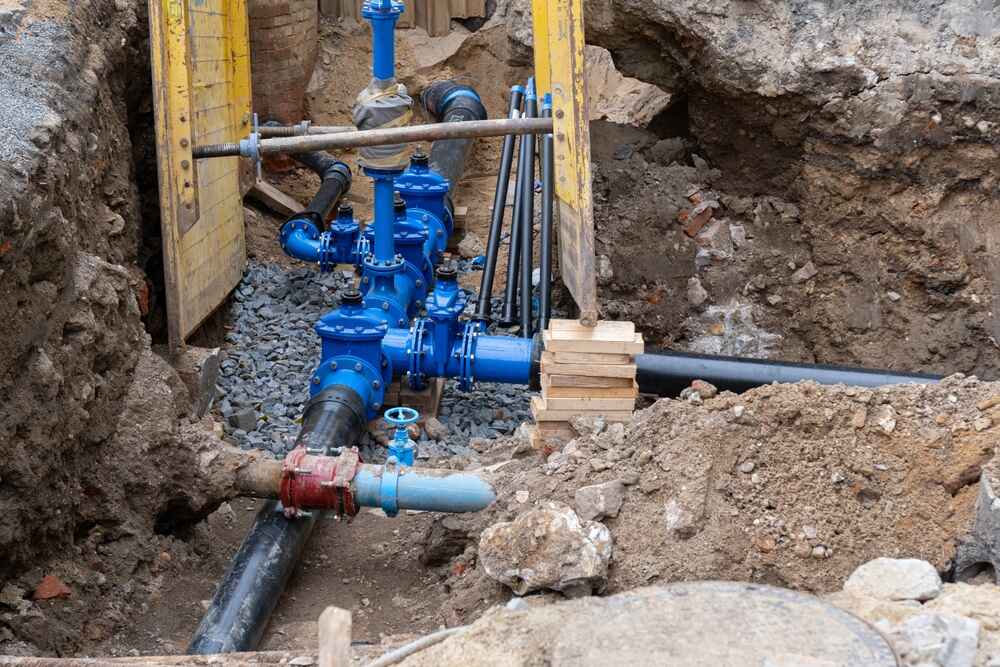
Underground lines fail for several common reasons, including age, soil shifting, and aggressive root growth. Tree roots naturally seek out water vapor escaping through small cracks or loose joints in underground lines. Once inside, those roots expand, catching debris and causing complete blockages that pressure the surrounding pipe.
- Multiple fixtures backing up at the same time across your building
- Patches of unusually bright or soggy grass in your yard
- Persistent gurgling sounds coming from toilets or drains
- Foul sewage odors indoors or near the exterior foundation
- Indentations or sinkholes forming along your driveway or lawn
Catching these signs early keeps damaged lines from collapsing completely. Inspecting lines with high-definition cameras lets us pinpoint structural gaps, severe root intrusions, and line shifts before recommending a targeted lining solution.
Stopping Intrusive Roots Without Trenching
Tree roots cause significant physical damage to older clay, cast iron, and concrete lines. Standard mechanical snakes cut away roots temporarily, but those roots grow back quickly through open joints unless the interior wall gets sealed. Pipe lining seals those entry points permanently, taking away the moisture source that draws roots toward the pipe.
Before installing a liner, high-pressure water jets scour the pipe walls to remove grease, scale, and root masses. This cleaning process resets the internal diameter of the line so the new epoxy sleeve adheres tightly to the host material. When unexpected backups happen outside normal business hours, relying on 24/7 sewer and drain assistance helps secure the property before structural water damage spreads.
Extending the Life of Existing Line Materials
Cast iron pipes corrode from the inside out over decades, forming rough bumps that catch toilet paper and solid waste. Clay pipes crack under shifting soil conditions, letting groundwater seep into the system and wash away supporting dirt. Pipe lining covers these rough, cracked materials with an incredibly smooth composite layer.
The American Society of Civil Engineers notes that drinking water and wastewater networks across the nation earn low infrastructure grades due to aging materials that exceed their intended design life. Placing a structural epoxy liner inside these older networks creates a clean, friction-reducing lining that improves flow velocity and prevents waste from snagging on rough edges.
Avoiding Structural Damage to Concrete Driveways
Excavating an underground line that runs beneath concrete slabs, driveways, or retaining walls creates massive structural challenges and high restoration costs. Breaking through concrete slab foundations creates noise, dust, and potential structural instability inside the building.
Trenchless methods completely bypass the need to cut through hardscape materials. Technicians work entirely through existing access points to insert liners under concrete slabs, parking spaces, and custom landscaping. That preserves structural slabs and saves property owners from hiring separate concrete and landscaping crews once the plumbing work finishes.
Fast Installation Schedules Keep Projects Simple
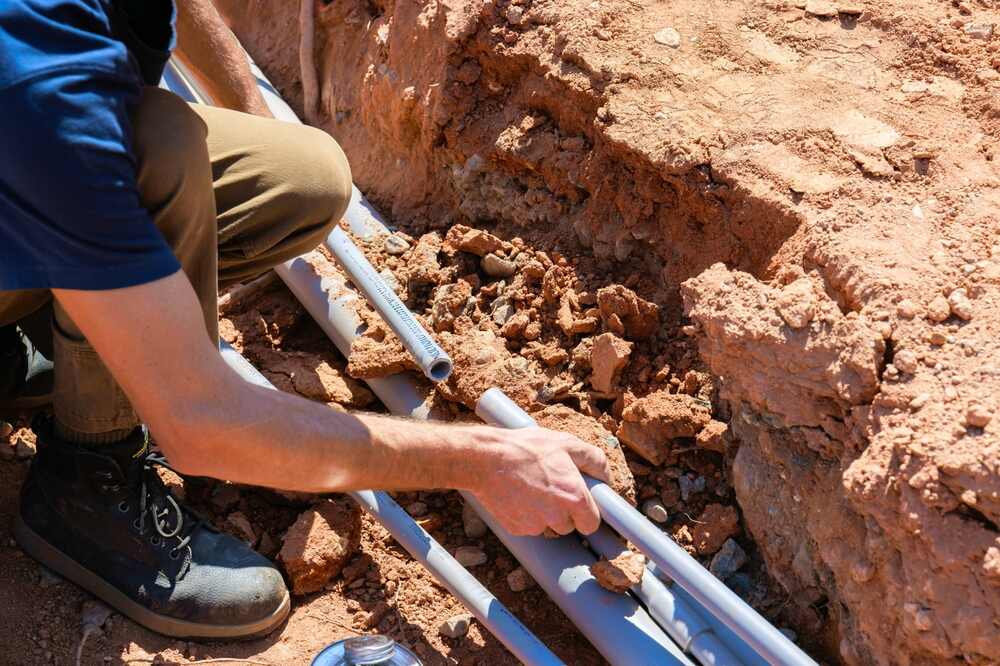
Traditional excavation projects take several days or even weeks to complete. Heavy equipment creates constant noise, blocks vehicle access, and disrupts daily schedules for families and businesses. Digging deep trenches also poses safety hazards around children, pets, and visitors.
- Insertion happens through existing cleanouts without heavy machinery
- Curing takes hours rather than days using heat or ultraviolet light
- Water service returns quickly to minimize household disruption
- Exterior landscapes, flowers, and walkways remain untouched
- Work zones stay small, neat, and contained
Structural lining projects finish far faster because the process eliminates excavation, backfilling, and surface reconstruction. Most resin liners cure within a single day using ambient air, warm water, or steam, letting property owners use their plumbing system normally again that evening.
Handling Unexpected Underground Failures
Pipe damage often occurs without warning, causing sudden sewage backups into lower-floor drains or basements. Soil movement during heavy rains can snap brittle lines, creating immediate health hazards that require fast professional attention.
When lines break unexpectedly, fast intervention stops raw sewage from ruining floorboards, drywall, and structural framing. Immediate response teams utilize camera inspections to identify structural breaks and deploy emergency sewer repair strategies before contaminated water spreads deeper into the building structure.
Restoring Heavy Flow for Commercial Properties
Commercial locations face unique risks when underground lines fail. Disrupted plumbing systems force restaurants, retail stores, and offices to close their doors, leading to lost revenue and unhappy customers. Trenchless pipe restoration offers a non-disruptive solution that keeps businesses running smoothly.
By completing structural lining projects during off-hours, businesses maintain regular operating hours without staging heavy equipment in customer parking lots. High-capacity commercial lines benefit greatly from the smooth, seamless interior finish of cured epoxy, which reduces grease buildup and friction losses over long runs.
Maintaining Clear Lines Over Time
Installing a structural liner creates a strong defensive layer against common pipeline issues, but basic property maintenance keeps the entire system working at peak performance. Avoid pouring cooking grease, thick oils, or foreign objects down sink drains.
When stubborn blockages occur further down the main line, calling qualified drain plumbers ensures the liner receives proper care without damaging the epoxy surface. Regular camera inspections catch small debris buildups early, keeping your system clear and efficient for decades.
Choosing Long-Term Solutions Over Quick Fixes
Temporary snaking clears blockages, but it leaves underlying structural damage intact. Cracks, offset joints, and missing pipe sections continue attracting roots and leaking wastewater into surrounding soils until property owners fix the core issue.
Investing in continuous epoxy liners turns aging, cracked pipes into brand-new structural lines without the hassle of traditional excavation. When unexpected line collapses happen late at night, accessing 24-hour sewer service protects your building structure and restores waste lines rapidly.
Advanced Camera Diagnostics Show Real Conditions
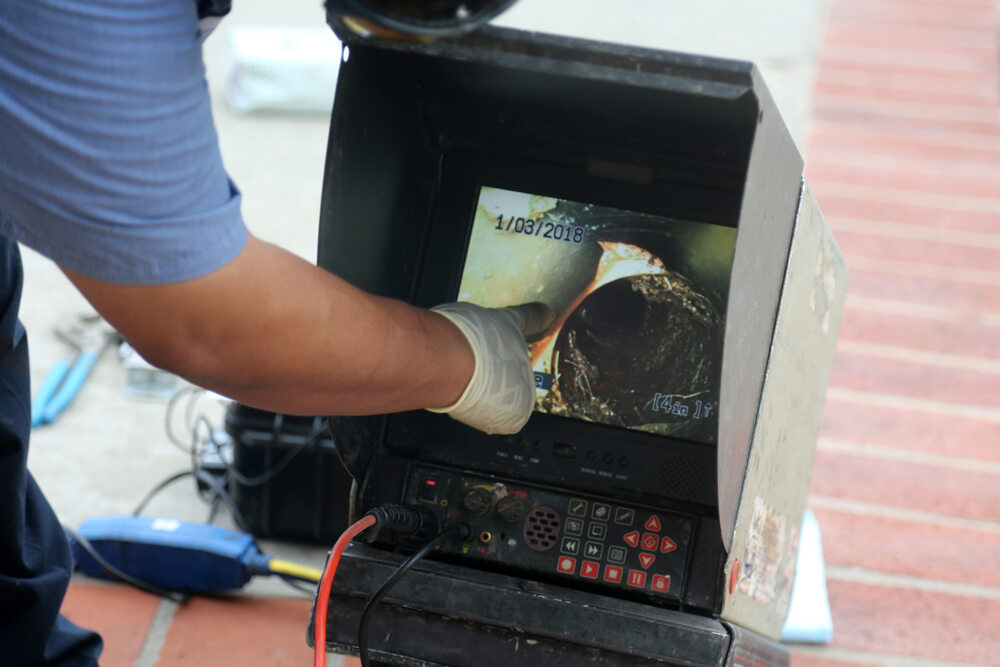
Modern diagnostic cameras remove the guesswork from underground pipe repair. Technicians guide a waterproof, flexible camera through the line to record high-resolution video of the interior pipe walls.
This visual data pinpoints exact locations of cracks, root masses, offset joints, and sagging pipe sections. Camera inspections verify whether a line qualifies for structural lining, ensuring technicians complete repairs correctly on the first attempt. Knowing the exact condition of underground lines allows for precise planning without unnecessary digging.
Resolving Complex System Backups Efficiently
System-wide backups usually signal a main sewer line failure rather than an isolated fixture clog. When multiple toilets, sinks, and tubs back up together, the issue lies deep within the underground line leading toward the municipal main or septic tank.
Addressing main line issues quickly prevents hazardous wastewater from backing up into living spaces. Calling a trusted sewer and drain emergency service resolves deep main line structural issues fast, protecting interior flooring and lower-level living spaces from severe water damage.
Common Questions About Underground Pipe Repair
How long does a trenchless pipe repair last?
Cured-in-place epoxy liners are engineered to last up to 50 years or more. They resist root intrusion, chemical corrosion, and wear from everyday waste flow.
Can trenchless lining fix completely collapsed pipes?
Lining requires an open path to insert the resin sleeve. If a pipe has completely collapsed or lost its physical shape entirely, traditional excavation may be required to replace that specific section before lining the rest.
How do technicians access the underground line?
Technicians access the line using existing pipe cleanouts or small entry points outside the building. This eliminates the need to dig long trenches across your lawn, driveway, or foundation.
Will lining reduce the size of my pipe?
The resin liner is thin, usually only a few millimeters thick. Because the new interior surface is extremely smooth, flow rates often improve even with the tiny reduction in diameter.
ServWorx Plumbing delivers reliable underground pipe solutions using advanced trenchless technology that protects your property. As a family owned, locally owned and operated business with over 15 years of experience, our team brings trusted expertise to every project. We are Picote-certified trenchless specialists who provide transparent pricing with no hidden fees, giving you full clarity on every job. We offer a free estimate, a free sewer camera inspection for all sewer repair and pipe lining, 10% off for senior citizens, 10% off for military & first responders, and 24/7 emergency service. Our licensed and insured technicians stand ready to restore your underground lines cleanly, quickly, and efficiently.
Call ServWorx Plumbing today to resolve your pipe issues without digging up your yard.