
What Happens During a Whole-Home Plumbing Rough-In
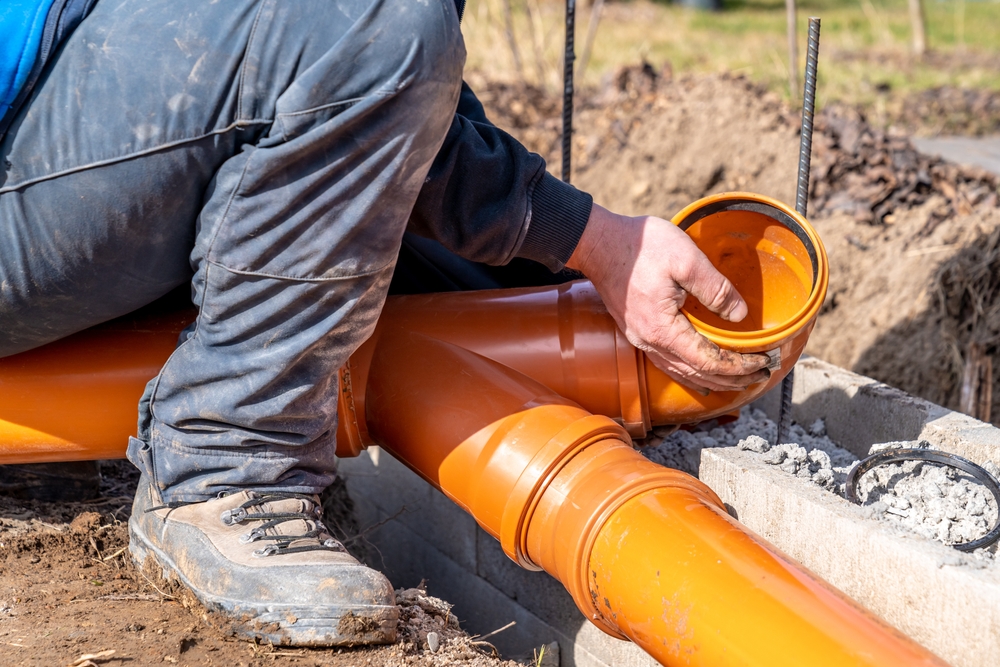
If you’re building new or doing a major renovation, the rough-in is the most critical stage of your plumbing system. Skipping steps or rushing the process here creates problems that are expensive and disruptive to fix later. If you need a plumber in Queen Creek, AZ who treats rough-in work with the precision it deserves, ServWorx Plumbing is the team to call.
How Does a Plumbing Rough-In Actually Work?
The process moves in a specific sequence, and each step depends on the one before it. Here’s how it typically unfolds:
1. Layout and Planning
Before any pipe goes in, the plumber marks fixture locations on the subfloor and framing. Toilet centers, sink positions, tub and shower drain placements, and appliance hookup points are all mapped out based on the approved plans.
2. Drain, Waste, and Vent (DWV) Installation
This is the first pipe work to go in. Drain lines run below the floor or through the walls at a slope of 1/4 inch per foot, as required by the International Plumbing Code, to move waste by gravity. Vent pipes are tied in to regulate air pressure and prevent sewer gases from entering the home and must be finished before the rest of the plumbing installation can proceed.
3. Supply Line Rough-In
Once drains are set, hot and cold supply lines are run to each fixture location. These are typically 3/4-inch main lines that branch into 1/2-inch lines at each fixture point. PEX and copper are the most common materials used today.
4. Stub-Outs
At every fixture location, the plumber leaves stub-outs, short pipe ends that protrude from the wall or floor. These are what faucets, toilets, and appliances will eventually connect to during the finish phase.
5. Rough-In Inspection
Before anything gets covered, a licensed inspector reviews all the work. This is required by code in Arizona and most jurisdictions. The inspection checks pipe sizing, slope, support, and connections. No walls close until this passes.
Why the Order of Work Matters
The sequence isn’t arbitrary. Drain lines must go in first because they rely on gravity and have the least flexibility in routing. Supply lines are more adaptable and go in after. A plumbing installation done out of order forces rework that delays the entire project and can cause failures that don’t show up until the home is occupied.
A reputable plumbing company follows this sequence every time because inspectors check for it and homeowners pay the price when it’s ignored.
What Comes After the Rough-In
Once rough-in passes inspection and walls are closed, the finish phase (trim-out) begins. This is when actual fixtures connect to the stub-outs left during rough-in. Any misalignment from the rough-in stage shows up here and can delay your project significantly.
Frequently Asked Questions About Rough-Ins
How long does a whole-home plumbing rough-in take?
For a standard new build, rough-in typically takes two to five days depending on home size and complexity.
What size pipes are used for rough-in?
Most supply lines use 1/2-inch or 3/4-inch copper or PEX. Drain lines range from 1-1/2 inches for sinks to 4 inches for main drain and toilet lines.
Can rough-in plumbing be modified after walls close?
Yes, but it requires re-opening walls. That’s why getting it right the first time saves significant time and money.
Do I need permits for plumbing rough-in?
In Arizona, yes. Plumbing rough-in requires a permit and inspection before walls are covered.
Let’s Get Your Rough-In Done Right
A family-owned plumbing company with over 15 years of experience in the Queen Creek area, ServWorx Plumbing offers free estimates on rough-in work and new construction plumbing. We’re locally owned, available 24/7 for urgent project needs, and proud to offer 10% off for seniors, military, and first responders. Call us for reliable plumbing work.